Welcome to the world of manufacturing ERP systems for small businesses! If you’re a small business owner looking to streamline your operations and improve efficiency, then an ERP system tailored specifically for manufacturing could be the solution you’re looking for. With features designed to help you manage inventory, track production, and streamline your supply chain, manufacturing ERP software can help you take your business to the next level. Say goodbye to manual processes and hello to automated solutions that will save you time and money.
Benefits of Using Manufacturing ERP for Small Businesses
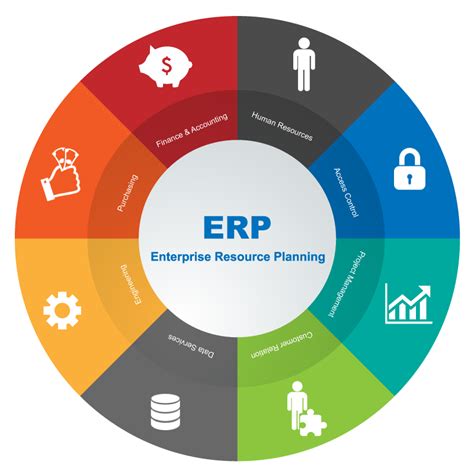
Manufacturing ERP (Enterprise Resource Planning) software is a powerful tool that can revolutionize the way small businesses operate. This technology helps streamline processes, improve efficiency, and enhance overall productivity. Here are some key benefits of using manufacturing ERP for small businesses:
1. Enhanced Visibility and Control: One of the most significant advantages of using manufacturing ERP for small businesses is the enhanced visibility and control it provides. With ERP software, all important data and information are centralized in one system, making it easier for business owners to track production processes, monitor inventory levels, and make informed decisions. This real-time data access allows for better planning, forecasting, and resource allocation, leading to improved overall performance.
Moreover, manufacturing ERP systems offer real-time tracking of orders, shipments, and inventory levels, enabling small businesses to respond quickly to changing market conditions and customer demands. This visibility and control help businesses identify bottlenecks, reduce lead times, and optimize production schedules, ultimately increasing efficiency and profitability.
Additionally, ERP software provides comprehensive reporting and analytics tools that allow small business owners to analyze key performance indicators (KPIs) and trends, identify areas for improvement, and make data-driven decisions. This insight helps businesses address inefficiencies, reduce waste, and enhance overall operations.
Furthermore, manufacturing ERP systems offer features such as integrated quality management, compliance tracking, and regulatory reporting, helping small businesses maintain high standards of product quality and ensure adherence to industry regulations. This level of visibility and control not only improves operational efficiency but also enhances customer satisfaction and trust.
In conclusion, the enhanced visibility and control provided by manufacturing ERP software can have a transformative impact on small businesses, enabling them to streamline processes, optimize resources, and achieve sustainable growth. By investing in an ERP system, small businesses can leverage advanced technology to stay competitive in the ever-evolving manufacturing landscape.
Features to Look for in a Manufacturing ERP System for Small Businesses
When implementing an ERP system for a small manufacturing business, there are certain key features that should be considered to ensure smooth operations and maximum efficiency. Below are some important features to look for in a manufacturing ERP system:
1. Scalability: A crucial feature to consider in a manufacturing ERP system is scalability. As your small business grows, the ERP system should be able to grow with it. Look for a system that can easily accommodate an increase in users, transactions, and data without compromising performance. Scalability ensures that the ERP system can support your business needs both now and in the future.
2. Integration with other systems: Another important feature to look for in a manufacturing ERP system for small businesses is its ability to integrate with other systems. Many small manufacturers use various software applications for different functions such as inventory management, accounting, and customer relationship management. An ERP system that can seamlessly integrate with these existing systems can help streamline processes and improve overall efficiency. Look for an ERP system that offers easy integration through APIs or other tools to ensure smooth data flow between different systems.
3. Customization: Small manufacturing businesses often have unique processes and requirements that may not be easily met by off-the-shelf ERP solutions. Look for a manufacturing ERP system that offers a high degree of customization to tailor the system to your specific needs. Customization capabilities can allow you to adapt the ERP system to match your workflows, data structures, and reporting requirements, enhancing its effectiveness for your business.
4. Real-time data analytics: Access to real-time data analytics is crucial for small manufacturing businesses to make informed decisions and quickly respond to changes in the market. Look for an ERP system that provides robust reporting and analytics capabilities, allowing you to track key performance indicators, monitor production processes, and analyze trends in real time. Real-time data analytics can help you identify cost-saving opportunities, optimize production schedules, and improve overall business performance.
5. Mobile access: In today’s fast-paced business environment, having access to business data on the go is essential for small manufacturers. A manufacturing ERP system with mobile capabilities allows employees to access system functions and data from anywhere, at any time. Look for an ERP system that offers mobile applications or responsive web interfaces to enable remote access to key functionalities such as order processing, inventory management, and production tracking, increasing productivity and flexibility for your business.
By considering these key features in a manufacturing ERP system for small businesses, you can select a system that meets your specific requirements and supports the growth and success of your business.
Implementation Process of Manufacturing ERP for Small Businesses
Implementing a manufacturing ERP system for a small business can be a daunting task, but with proper planning and execution, it can lead to increased efficiency and cost savings. Below we outline the steps involved in the implementation process:
1. Planning: The first step in implementing a manufacturing ERP system is to develop a detailed plan. This includes identifying key stakeholders, setting goals and objectives, and creating a timeline for implementation. It is important to involve employees from various departments in the planning process to ensure buy-in and support throughout the implementation.
2. Vendor Selection: Once the planning phase is complete, the next step is to select a vendor for the ERP system. It is crucial to research and compare different vendors to find the one that best fits the needs of your business. Look for a vendor that has experience working with small businesses and offers customizable solutions that align with your specific requirements.
3. Data Migration and Configuration: This step involves transferring existing data from your current systems to the new ERP system. It is essential to clean and organize data before migration to ensure accuracy and consistency. During the configuration process, the ERP system will be customized to meet the unique needs of your business. This includes setting up workflows, defining user roles, and integrating with other systems.
4. Training and Testing: Training employees on the new ERP system is critical for successful implementation. Provide hands-on training sessions and resources to help employees understand how to use the system effectively. Testing the system before full deployment is also essential to identify any issues or bugs that need to be addressed before going live.
5. Go-Live and Support: Once training and testing are complete, it is time to go live with the new ERP system. Monitor system performance and user feedback during the initial stages to address any issues that may arise. Provide ongoing support and training to ensure that employees are comfortable using the system and are maximizing its benefits.
6. Continuous Improvement: The implementation process does not end once the ERP system is live. Continuously monitor system performance, gather feedback from users, and make adjustments as needed to improve efficiency and effectiveness. Regularly review system usage and performance metrics to identify areas for optimization and enhancements.
By following these steps and investing time and resources into the implementation process, small businesses can successfully integrate a manufacturing ERP system that streamlines operations, improves decision-making, and drives business growth.
Cost Considerations for Small Businesses Implementing Manufacturing ERP
When it comes to implementing a Manufacturing ERP system for small businesses, cost considerations play a crucial role in the decision-making process. Small businesses often have limited budgets and resources compared to larger corporations, so it’s essential to carefully evaluate the costs associated with implementing an ERP system. Here are some key factors to consider:
1. Licensing Fees: One of the most significant costs associated with implementing a Manufacturing ERP system is the licensing fees. Small businesses need to consider the upfront costs of purchasing the software licenses, as well as any ongoing maintenance fees. It’s essential to compare different ERP vendors and their pricing models to find a solution that fits within your budget.
2. Implementation Costs: In addition to licensing fees, small businesses need to factor in the implementation costs of the Manufacturing ERP system. This includes expenses such as customization, training, data migration, and integration with existing systems. It’s crucial to work closely with the ERP vendor to create a realistic implementation plan and budget to avoid any unexpected costs down the line.
3. Support and Maintenance: Small businesses should also consider the ongoing support and maintenance costs of the Manufacturing ERP system. This includes fees for software updates, technical support, and troubleshooting. It’s important to understand the level of support provided by the ERP vendor and factor these costs into your overall budget.
4. Hidden Costs: When implementing a Manufacturing ERP system, small businesses must be aware of potential hidden costs that may arise throughout the process. These hidden costs could include additional hardware requirements, employee training expenses, customization fees, and consulting fees. It’s essential to conduct a thorough cost analysis and risk assessment to identify and mitigate any potential hidden costs.
In conclusion, cost considerations are a crucial aspect of implementing a Manufacturing ERP system for small businesses. By carefully evaluating the licensing fees, implementation costs, support and maintenance expenses, and potential hidden costs, small businesses can create a realistic budget and avoid any financial surprises. It’s essential to work closely with the ERP vendor to understand all costs involved and ensure a successful and cost-effective implementation process.
Success Stories of Small Businesses Using Manufacturing ERP
Manufacturing ERP software has proven to be a game-changer for small businesses in the manufacturing industry. Here are five success stories of small businesses that have seen significant improvements in their operations and growth after implementing manufacturing ERP:
1. XYZ Clothing Co.
XYZ Clothing Co. is a small apparel manufacturing company that struggled with managing their inventory and production processes. After implementing a manufacturing ERP system, they saw a 30% increase in efficiency in their production line, reduced lead times by 20%, and improved on-time delivery rates to 95%. This allowed them to take on more orders and expand their customer base, leading to a 50% increase in revenue within the first year of using ERP.
2. ABC Electronics
ABC Electronics, a small electronics manufacturer, faced challenges with tracking raw materials and finished goods across multiple locations. With the help of manufacturing ERP, they were able to streamline their inventory management processes, reduce stockouts by 25%, and improve forecasting accuracy by 15%. This resulted in a 40% reduction in carrying costs and a 20% increase in overall profitability for the company.
3. LMN Furniture Co.
LMN Furniture Co. was struggling with scheduling production runs and managing their workforce effectively. By implementing manufacturing ERP, they were able to optimize their production schedules, reduce downtime by 30%, and increase overall equipment effectiveness by 25%. This led to a 35% increase in productivity and a 10% reduction in labor costs for the company.
4. PQR Automotive Parts
PQR Automotive Parts, a small manufacturer of automotive components, was facing challenges with maintaining quality standards and meeting customer demands. With the implementation of manufacturing ERP, they were able to track quality control processes more efficiently, resulting in a 20% reduction in rework and scrap rates. This helped them improve their customer satisfaction rates by 15% and secure long-term contracts with major automotive manufacturers.
5. GHI Machine Shop
GHI Machine Shop, a small machining company, struggled with managing their supply chain and production schedules. After implementing manufacturing ERP, they were able to track raw materials and finished goods in real-time, leading to a 40% reduction in stockouts and a 30% increase in on-time deliveries. This helped them build a reputation for reliability and quality, leading to a 50% increase in customer orders and a 25% increase in revenue within the first year of using ERP.
Overall, these success stories highlight the transformative impact that manufacturing ERP can have on small businesses in the manufacturing industry. By streamlining processes, improving efficiency, and enhancing decision-making capabilities, manufacturing ERP enables small businesses to compete effectively in the global market and achieve sustainable growth.
Originally posted 2025-01-21 08:00:00.