
Hey there, have you ever heard about manufacturing enabled ERP software? This innovative technology is revolutionizing the way manufacturing companies operate and manage their business processes. With the help of ERP software specifically designed for the manufacturing industry, companies can streamline their operations, improve efficiency, and increase profitability. This article will delve into the benefits and features of manufacturing enabled ERP software, and how it can help businesses thrive in today’s competitive market.
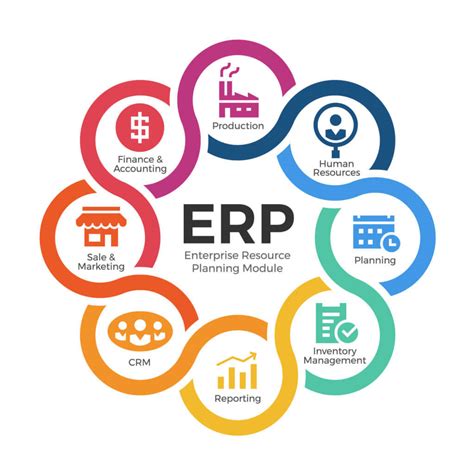
The Benefits of Manufacturing-Enabled ERP Software
Manufacturing-enabled ERP software offers a wide range of benefits for businesses in the manufacturing industry. One of the key advantages is improved efficiency and productivity. With integrated ERP software, manufacturers can streamline their processes, reduce manual errors, and automate repetitive tasks. This results in faster production cycles, reduced lead times, and increased output.
Another benefit of manufacturing-enabled ERP software is better inventory management. By tracking raw materials, work in progress, and finished goods in real-time, manufacturers can optimize their inventory levels, minimize stockouts, and reduce carrying costs. This leads to improved cash flow and profitability for the business.
Manufacturing-enabled ERP software also provides greater visibility and transparency into the entire manufacturing process. Managers and executives can access real-time data and reports to monitor key performance indicators, identify bottlenecks, and make informed decisions. This level of insight helps companies to proactively address issues, optimize resource allocation, and improve overall operational efficiency.
Furthermore, manufacturing-enabled ERP software supports collaboration and communication across different departments within the organization. By centralizing data and workflows, employees from sales, production, procurement, and finance can work together more effectively, share information, and coordinate activities. This leads to a more cohesive and interconnected business environment, where everyone is on the same page and working towards common goals.
In addition, manufacturing-enabled ERP software helps businesses to comply with regulatory requirements and industry standards. By automating compliance processes, maintaining audit trails, and enforcing security protocols, manufacturers can ensure that they are operating within legal guidelines and protecting sensitive information. This reduces the risk of non-compliance penalties and reputational damage for the company.
Lastly, manufacturing-enabled ERP software enables businesses to adapt to changing market conditions and customer demands. With built-in analytics and reporting tools, manufacturers can analyze trends, forecast demand, and adjust production schedules accordingly. This agility and flexibility allow companies to respond quickly to market shifts, launch new products faster, and stay ahead of the competition.
Streamlining Production Processes with ERP Software
Manufacturers today face intense competition and pressure to deliver products faster, cheaper, and of higher quality than ever before. In this fast-paced environment, efficiency and productivity are key factors for success. This is where Enterprise Resource Planning (ERP) software comes into play, enabling manufacturers to streamline their production processes and optimize their operations.
ERP software offers manufacturers a comprehensive solution for managing all aspects of their production process. This includes tracking inventory levels, scheduling production tasks, managing resources, and monitoring performance metrics. By integrating all these functions into a single system, ERP software eliminates the need for separate software programs and manual data entry, leading to a more efficient and streamlined workflow.
One of the key features of ERP software is its ability to provide real-time visibility into the production process. By capturing data from various sources such as sensors on the shop floor, production machines, and inventory systems, ERP software can provide manufacturers with up-to-date information on the status of their production processes. This visibility allows manufacturers to quickly identify bottlenecks, delays, or inefficiencies in their operations and take proactive steps to address them.
ERP software also helps manufacturers improve their production planning and scheduling processes. By analyzing historical data, demand forecasts, and resource availability, ERP software can generate optimized production schedules that minimize downtime, reduce lead times, and maximize resource utilization. This ensures that manufacturers can meet customer demand more efficiently and effectively, leading to higher customer satisfaction and retention.
Another way ERP software streamlines production processes is by automating repetitive tasks and workflows. For example, ERP software can automatically generate work orders, track production progress, and alert stakeholders to any deviations from the plan. This automation reduces the time and effort required to manage production processes manually, freeing up employees to focus on more value-added tasks. Additionally, automation helps minimize human errors and ensure consistent quality across production processes.
Furthermore, ERP software facilitates collaboration and communication among different departments within a manufacturing organization. By providing a centralized platform for sharing information, communicating priorities, and coordinating activities, ERP software breaks down silos and fosters greater teamwork and alignment across the organization. This integrated approach enables manufacturers to respond quickly to changes in market demand, supply chain disruptions, or production issues, ensuring that they remain agile and competitive in the marketplace.
In conclusion, ERP software plays a crucial role in streamlining production processes for manufacturers. By providing real-time visibility, optimizing production planning, automating workflows, and fostering collaboration, ERP software helps manufacturers improve efficiency, reduce costs, and deliver high-quality products to market faster. In today’s fast-paced manufacturing environment, ERP software is a valuable tool for manufacturers looking to stay ahead of the competition and drive business growth.
Integrating Supply Chain Management with ERP Solutions
Supply chain management is a crucial aspect of any manufacturing operation. It involves the planning, sourcing, manufacturing, and delivery of products to customers. In today’s globalized economy, businesses need to have a seamless and efficient supply chain to stay competitive. This is where Enterprise Resource Planning (ERP) software plays a vital role in integrating and optimizing the supply chain management processes.
ERP systems are designed to streamline and automate various business functions, including inventory management, production planning, procurement, and order fulfillment. By integrating supply chain management with ERP solutions, manufacturers can achieve greater visibility and control over their operations, leading to improved efficiency and cost savings.
One of the key benefits of integrating supply chain management with ERP solutions is the ability to track and manage inventory in real-time. With ERP software, manufacturers can monitor stock levels, track raw materials and finished goods, and optimize inventory turnover. This helps reduce stockouts, overstocking, and obsolescence, leading to better inventory management and cost savings.
ERP systems also provide tools for demand forecasting and production planning, enabling manufacturers to align production with customer demand and market trends. By integrating supply chain management with ERP solutions, businesses can improve production scheduling, reduce lead times, and minimize waste, ultimately increasing overall efficiency and customer satisfaction.
Another benefit of integrating supply chain management with ERP solutions is improved collaboration and communication across the supply chain. With ERP software, manufacturers can share real-time data with suppliers, shippers, and distributors, enabling better coordination and faster decision-making. This leads to smoother operations, reduced errors, and faster response times to market changes.
Furthermore, ERP systems can help streamline procurement processes by automating supplier management, purchase orders, and vendor evaluations. By integrating supply chain management with ERP solutions, manufacturers can optimize sourcing strategies, negotiate better terms with suppliers, and reduce procurement costs, ultimately improving supply chain efficiency and profitability.
In conclusion, integrating supply chain management with ERP solutions offers manufacturers a powerful tool to optimize their operations, improve efficiency, and drive business growth. By leveraging the capabilities of ERP software, businesses can achieve greater visibility, control, and collaboration across the supply chain, leading to cost savings, increased productivity, and enhanced customer satisfaction.
Enhancing Quality Control with Manufacturing ERP Software
Quality control is a crucial aspect of the manufacturing process, as it ensures that products meet the necessary standards and specifications. Manufacturing ERP software plays a vital role in enhancing quality control by providing real-time insights and data that can be used to monitor and improve product quality. Here are some ways in which manufacturing ERP software can enhance quality control:
1. Real-time Monitoring: One of the key benefits of manufacturing ERP software is that it allows for real-time monitoring of the production process. This means that manufacturers can track the progress of each stage of production and identify any issues or defects as soon as they arise. By having access to real-time data, manufacturers can take immediate action to address quality control issues and prevent them from affecting the final product.
2. Automated Quality Checks: Manufacturing ERP software can be programmed to automate quality checks throughout the production process. This helps to ensure that each product meets the necessary standards and specifications before it is released to the market. By automating quality checks, manufacturers can reduce the likelihood of human error and improve overall product quality.
3. Integrated Quality Control Systems: Manufacturing ERP software often comes equipped with integrated quality control systems that allow manufacturers to easily track and manage quality control processes. These systems can be customized to meet the specific needs of a manufacturing facility, ensuring that all quality control measures are properly implemented and enforced.
4. Enhanced Data Analysis: In addition to real-time monitoring and automated quality checks, manufacturing ERP software also provides advanced data analysis tools that can help manufacturers gain valuable insights into their production processes. By analyzing data related to product quality, manufacturers can identify trends, patterns, and potential areas for improvement. This data-driven approach to quality control can help manufacturers make more informed decisions and continuously enhance product quality.
5. Supplier Quality Management: Another important aspect of quality control is managing the quality of raw materials and components supplied by external vendors. Manufacturing ERP software can help manufacturers track and evaluate the quality of materials supplied by various vendors, enabling them to make informed decisions about which suppliers to work with. By ensuring that only high-quality materials are used in the production process, manufacturers can improve overall product quality and reduce the risk of defects.
In conclusion, manufacturing ERP software plays a vital role in enhancing quality control by enabling real-time monitoring, automated quality checks, integrated quality control systems, enhanced data analysis, and supplier quality management. By leveraging the capabilities of manufacturing ERP software, manufacturers can improve product quality, reduce defects, and enhance customer satisfaction.
Boosting Efficiency and Cost-Effectiveness with ERP Systems
Manufacturing enabled ERP software plays a crucial role in boosting efficiency and cost-effectiveness for businesses in the manufacturing sector. ERP systems streamline processes, provide real-time data insights, and optimize resource utilization to drive productivity and profitability. Let’s delve deeper into how ERP systems contribute to enhancing efficiency and cost-effectiveness:
1. Improved Resource Planning: ERP systems facilitate better resource planning by integrating various functions such as inventory management, production scheduling, and procurement. This holistic approach ensures optimal allocation of resources, minimizes wastage, and enhances overall operational efficiency. With accurate demand forecasting and inventory tracking capabilities, manufacturers can avoid stockouts, reduce carrying costs, and improve cash flow.
2. Enhanced Communication and Collaboration: ERP systems promote seamless communication and collaboration among different departments within an organization. By centralizing data and automating workflows, ERP software eliminates silos and fosters cross-functional coordination. This integrated approach leads to faster decision-making, reduced lead times, and improved responsiveness to customer demands. Enhanced communication also minimizes errors, redundancies, and delays, thereby enhancing operational efficiency.
3. Streamlined Production Processes: ERP systems streamline production processes by providing real-time visibility into manufacturing operations. From order processing to inventory management to quality control, ERP software tracks every stage of the production cycle and identifies bottlenecks or inefficiencies. By analyzing production data and performance metrics, manufacturers can optimize processes, reduce cycle times, and improve output quality. This level of operational transparency and control is essential for boosting efficiency and meeting production targets.
4. Cost-effective Decision-Making: ERP systems enable data-driven decision-making by providing accurate, up-to-date information across all business functions. By integrating financial data, sales forecasts, and operational metrics, ERP software empowers manufacturers to make informed decisions that drive cost savings and profitability. Whether it’s optimizing supply chain logistics, negotiating better vendor contracts, or identifying cost-saving opportunities, ERP systems help businesses identify and capitalize on cost-effective strategies.
5. Continuous Improvement and Adaptability: One of the key benefits of manufacturing enabled ERP software is its ability to support continuous improvement and adaptability. ERP systems can be customized to meet the specific needs of a manufacturing business, whether it’s scaling production, introducing new product lines, or expanding into new markets. By providing flexibility and scalability, ERP software allows businesses to evolve and stay competitive in a rapidly changing market landscape.
In conclusion, manufacturing enabled ERP software is a powerful tool for boosting efficiency and cost-effectiveness in the manufacturing sector. By improving resource planning, enhancing communication and collaboration, streamlining production processes, enabling cost-effective decision-making, and supporting continuous improvement, ERP systems empower businesses to stay competitive, agile, and profitable in today’s dynamic market environment.